


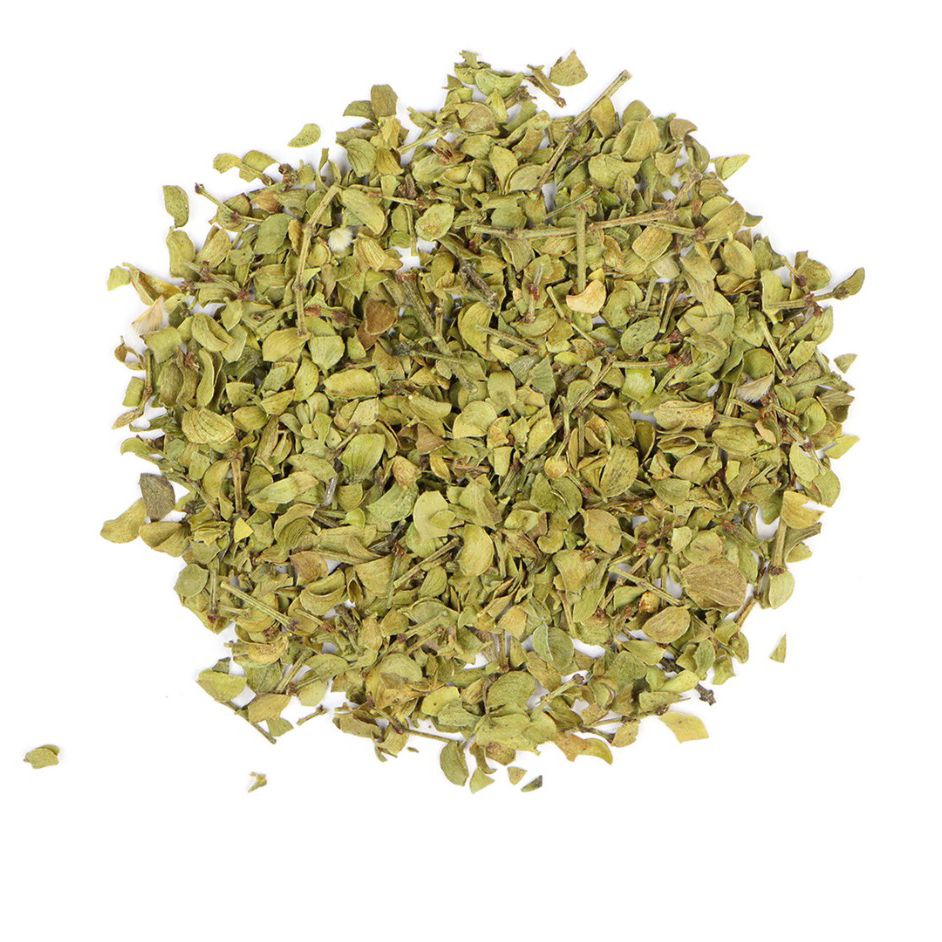

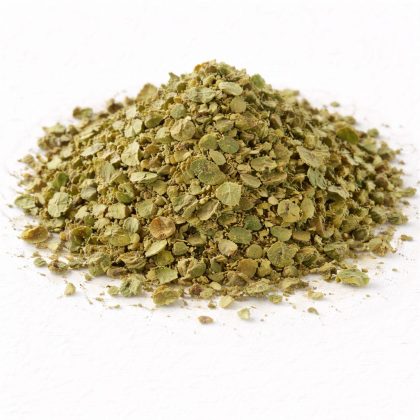
Chaparral leaves come from Larrea tridentata, a hardy evergreen shrub native to arid regions of the southwestern United States, Mexico, and parts of South America. When people explore the leaves of plants in a chaparral, they are often learning about vegetation adapted to extreme heat, drought, and seasonal stress — chaparral shrubs are a prime example of this resilience.
A notable botanical trait is that in winter the leaves of chaparral shrubs remain leathery and evergreen, conserving moisture and protecting the plant against harsh environmental conditions. This adaptive strength is one reason chaparral has attracted interest in traditional herbal practices.
Historically, chaparral leaves were used in Indigenous and folk herbal systems for cleansing and preservation-related purposes. However, chaparral is considered a potent botanical and is not a casual daily herb. Modern herbal practice emphasizes cautious, informed, and limited use, typically under professional guidance.
HOW TO USE
⚠️ IMPORTANT: Chaparral leaves are a strong traditional herb and require careful use.
Traditional Herbal Preparations
-
Historically prepared as low-dose infusions or external washes
-
Not commonly recommended for long-term internal use
Topical & External Use
-
Traditionally used externally in washes or herbal applications (historical use)
Educational & Botanical Use
-
Often studied for ecological, botanical, and historical herbal reference
KEY FEATURES AND BENEFITS (Traditional & Historical Context)
-
Desert-Adapted Evergreen Leaves
Reflect the resilience of chaparral ecosystems. -
Historical Herbal Significance
Used in traditional systems with respect and restraint. -
Rich in Protective Plant Compounds
Leaves evolved to resist environmental stressors. -
Ecological Importance
Representative of the leaves of plants in a chaparral biome. -
Distinct Seasonal Adaptation
In winter the leaves of chaparral shrubs remain intact to conserve moisture. -
Caffeine-Free Botanical
Naturally stimulant-free.
MAIN INGREDIENTS
-
100% Chaparral Leaves (Larrea tridentata)
FAQ SECTION
Q: What are chaparral leaves?
Chaparral leaves come from Larrea tridentata, an evergreen desert shrub adapted to arid environments.
Q: What is special about the leaves of plants in a chaparral?
They are tough, leathery, and adapted to conserve water in hot, dry climates.
Q: In winter, what happens to the leaves of chaparral shrubs?
In winter the leaves of chaparral shrubs remain evergreen, helping the plant survive cold and drought.
Q: Are chaparral leaves used in herbal medicine?
They have historical uses, but modern herbal practice emphasizes caution due to potency and safety concerns.
Q: Can chaparral leaves be used daily?
No. Chaparral is not recommended for daily or long-term internal use.
Q: Is chaparral the same as creosote bush?
Yes. Chaparral is also commonly known as creosote bush.
Q: Does chaparral contain caffeine?
No. It is naturally caffeine-free.












There are no reviews yet.