


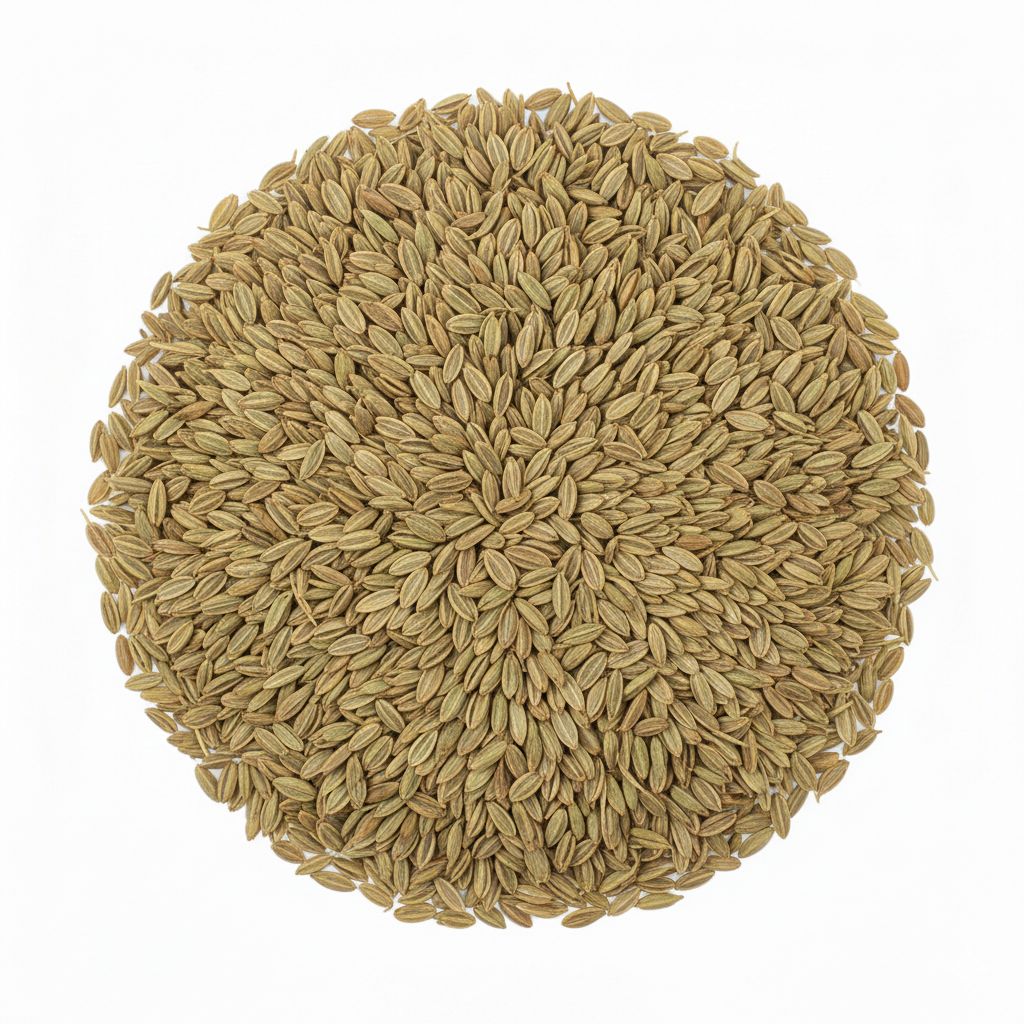

Anise Seed comes from the flowering herb Pimpinella anisum, a Mediterranean plant famous for its sweet, licorice-like aroma. Our anise seeds are whole, fragrant, and versatile, making them suitable for teas, spice blends, pastries, and digestive preparations.
Many wellness seekers explore anise seed benefits and anise seeds benefits because anise has been traditionally used to support digestion, soothe mild gas or bloating, and encourage respiratory comfort. Its gentle aromatic qualities also make it popular in baby colic formulas across several herbal traditions (always under guidance).
For culinary use, anise seeds are a staple in baking, coffee flavoring, liqueurs (like sambuca and ouzo), curries, and spice blends. For herbal use, the seeds are often prepared as anise seed tea, especially after meals or during cold seasons.
Unlike star anise (a completely different plant), anise seed comes from the parsley family and offers a softer sweetness suited for herbal and culinary versatility.
HOW TO USE
For Anise Seed Tea:
-
Crush 1 teaspoon of whole anise seeds.
-
Steep in hot water (90–100°C) for 10–15 minutes.
-
Strain and drink after meals.
Other Uses:
-
Digestive herbal tea blends
-
Baking & pastry spice
-
Coffee and cocoa flavoring
-
Liqueur and aperitif infusions
-
Curry and spice blends
-
Baby colic formulas (professionally guided)
-
Respiratory season herbal support
KEY FEATURES AND BENEFITS
-
Digestive Support Herb
Traditionally used to ease bloating, gas, and indigestion. -
Sweet Aromatic Profile
Licorice-like flavor ideal for baking and beverages. -
Respiratory Comfort
Used in teas and syrups for seasonal respiratory wellness. -
Versatile Culinary Spice
Essential in pastries, spice blends, and flavored liqueurs. -
Caffeine-Free Herbal Tea
Suitable for evening or after meals. -
Whole Seed Format
Maximum aroma retention and flexibility for grinding or crushing.
MAIN INGREDIENTS
-
100% Whole Anise Seed (Pimpinella anisum)
FAQ SECTION
Q: What is anise seed?
Anise seed is the dried seed of the Pimpinella anisum plant, used for culinary and herbal purposes.
Q: What are anise seed benefits?
Traditional anise seed benefits include digestive soothing, gas relief, respiratory comfort, and aromatic flavoring.
Q: What are anise seeds benefits compared to fennel?
Anise seeds are sweeter and more aromatic, while fennel is milder. Both support digestion traditionally.
Q: How do I make anise seed tea?
Crush the seeds and steep in hot water for 10–15 minutes. See “How to Use” above.
Q: Are anise seed and star anise the same?
No. Star anise is the fruit of a different plant (Illicium verum). Both share a licorice flavor, but they are botanically unrelated.
Q: Are anise seeds used in baking?
Yes. They’re used in breads, cookies, pastries, coffee drinks, and chocolate recipes.
Q: Does anise contain caffeine?
No. Anise is naturally caffeine-free.
Q: Can anise be used for children?
Anise is used in some traditional infant colic preparations, but always under professional guidance.
Q: Can I grind anise seeds?
Yes. They can be lightly crushed for tea or finely ground for baking.





There are no reviews yet.