


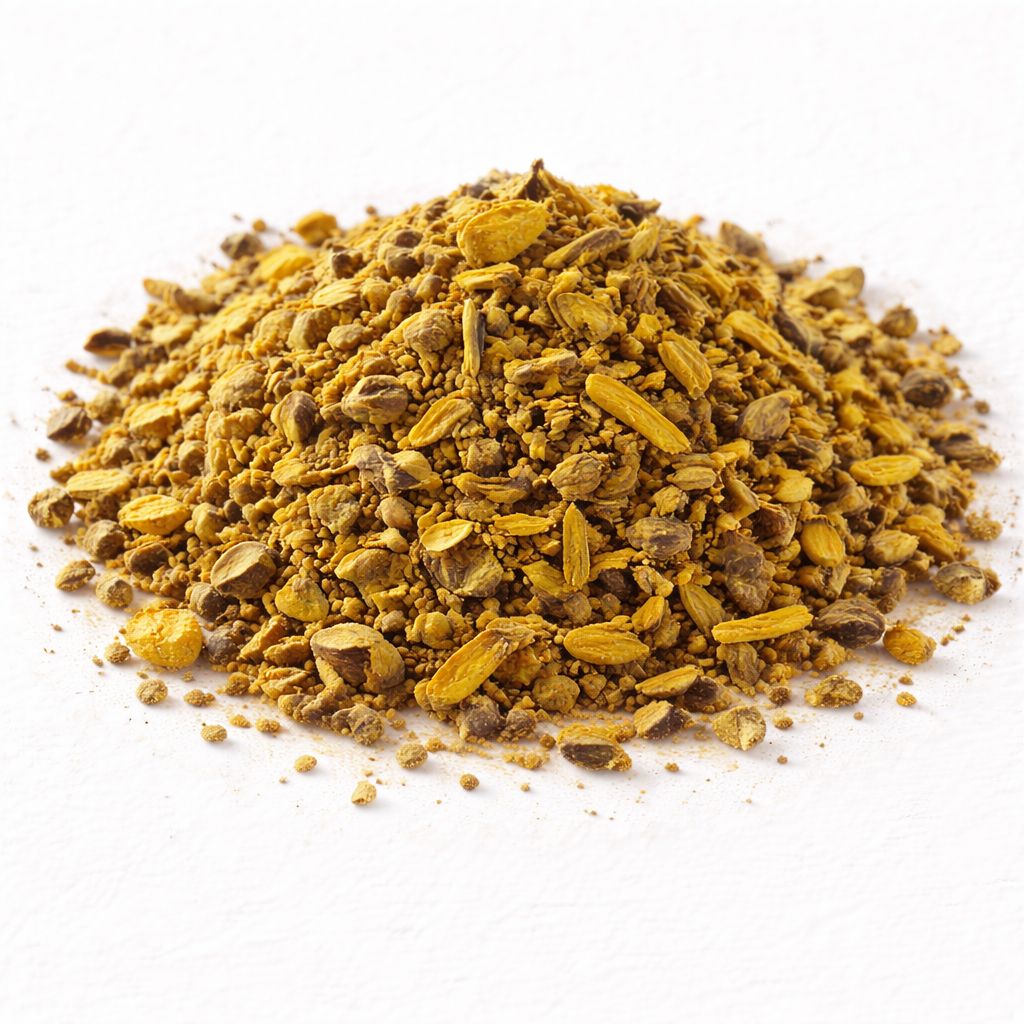

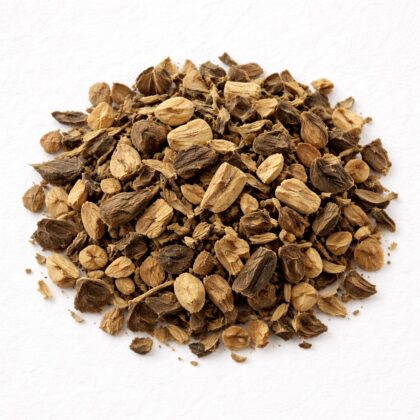
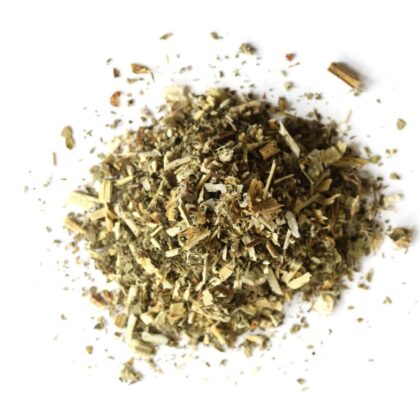
Barberry Root Bark comes from the root of the Berberis vulgaris shrub, a plant long valued in traditional European and Middle Eastern herbal systems. The barberry root bark contains the alkaloid berberine, which is also found in goldenseal and Oregon grape, and is frequently used for digestive, liver, and microbial wellness support.
Many shoppers explore barberry root bark benefits and broader barberry root bark health benefits due to its traditional association with supporting digestion, bile flow, and healthy gut microbial balance. Herbalists commonly prepare barberry as a tincture, decoction, or barberry root bark tea for liver-focused or digestive tonics.
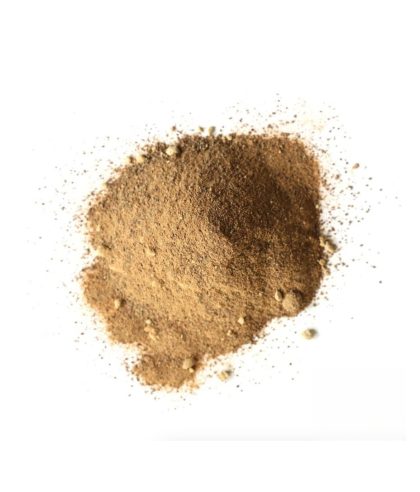
In modern herbal commerce, concentrated barberry root bark extract is used in capsules and tinctures for targeted support, while barberry root bark powder offers convenience for encapsulation or powdered formulas. The raw dried material listed here is ideal for tincturing and decoction, giving practitioners full control over preparation strength.
HOW TO USE
For Decoction / Tea:
-
Add 1 teaspoon root bark to 250 ml water.
-
Simmer for 10–20 minutes.
-
Strain and drink warm.
This preparation is commonly known as barberry root bark tea.
For Tinctures:
-
Combine dried bark with alcohol using standard botanical ratios.
-
Steep 4–6 weeks, strain, and bottle.
For Powder or Capsules:
-
Bark can be milled into barberry root bark powder for encapsulation.
KEY FEATURES AND BENEFITS
-
Digestive Support Herb
Used traditionally for sluggish digestion, bile flow, and gut health. -
Liver & Detox Support
Common in herbal tonics aimed at liver cleansing and hepatic function. -
Microbial Balance
Berberine-containing plants are valued in wellness circles for maintaining microbial balance. -
Versatile Herbal Ingredient
Suitable for decoctions, tinctures, powders, and extracts. -
Traditional European Herb
With centuries of use in folk herbalism and natural apothecary traditions.
MAIN INGREDIENTS
-
100% Barberry Root Bark (Berberis vulgaris)
FAQ SECTION
Q: What is barberry root bark?
It is the dried bark from the root of the Berberis vulgaris plant, rich in berberine and used in digestive and liver-focused herbal traditions.
Q: What are barberry root bark benefits?
Traditional barberry root bark benefits relate to gut health, digestion, liver function, and microbial balance.
Q: What are barberry root bark health benefits?
Common herbal literature highlights digestive stimulation, bile flow support, and general detoxification pathways.
Q: How do I make barberry root bark tea?
Simmer the root bark for 10–20 minutes as a decoction. See “How to Use.”
Q: What is barberry root bark extract?
It is a concentrated preparation (liquid or powder) used in supplements for standardized berberine content.
Q: What about barberry root bark powder?
Powder offers fast preparation for capsules and blends; many explore barberry root bark powder benefits for convenient digestive and liver support.
Q: Is “barberry bark of root” the same thing?
Yes — barberry bark of root is another way of describing the inner bark removed from the root.
Q: Does barberry contain caffeine?
No. It is naturally caffeine-free.
Q: Can I combine barberry with other herbs?
Yes — commonly paired with Oregon grape, goldenseal, dandelion root, or milk thistle in liver and digestion blends.
Q: Is barberry safe for everyone?
Avoid during pregnancy or while breastfeeding. Consult a practitioner if taking antibiotics or blood pressure medications due to berberine interactions.







There are no reviews yet.