


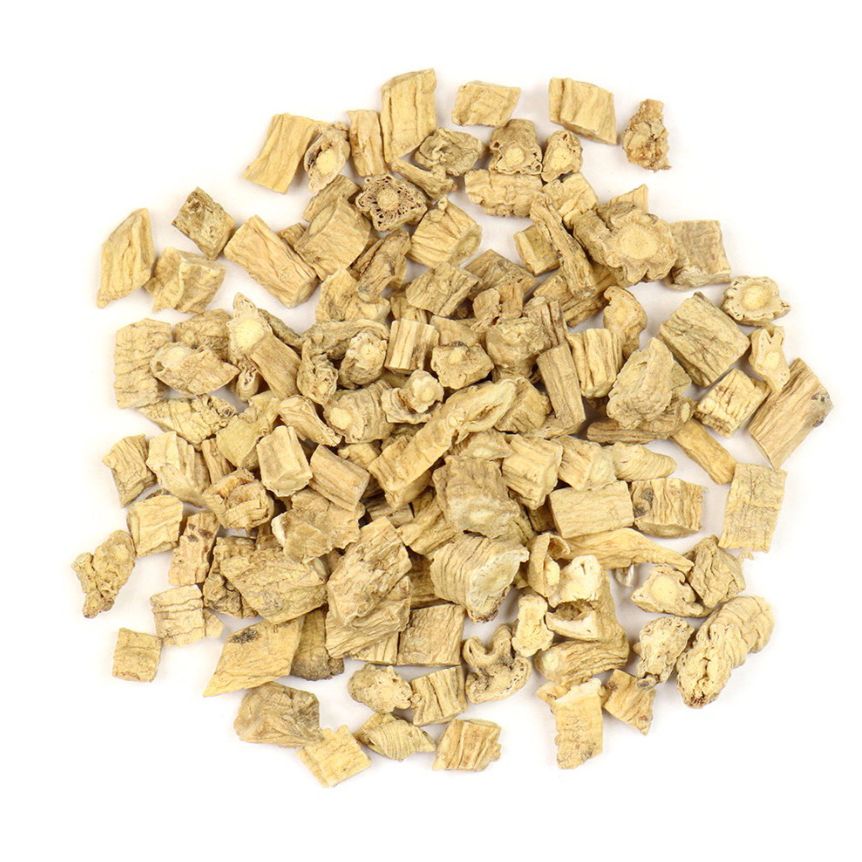

Codonopsis, most commonly used in the form of codonopsis root, is a well-respected tonic herb in Traditional Chinese Medicine (TCM). Often referred to as “poor man’s ginseng,” codonopsis is valued for its ability to support energy and vitality without being overly stimulating.
When people search codonopsis benefits or benefits of codonopsis, they are usually seeking a natural way to support physical strength, immune resilience, digestive function, and recovery from fatigue. In traditional herbal systems, codonopsis is classified as a Qi-tonifying herb, meaning it helps nourish and restore the body’s vital energy.
Codonopsis root is commonly used in soups, teas, and herbal formulas, especially during periods of stress, weakness, or convalescence. Compared to stronger adaptogens, codonopsis is gentle and well tolerated, making it suitable for longer-term use in balanced wellness routines.
HOW TO USE
Codonopsis Root Tea (Decoction)
-
Add 1–2 teaspoons dried codonopsis root to 300–400 ml water.
-
Simmer gently for 20–30 minutes.
-
Strain and drink warm.
Culinary & Tonic Use
-
Commonly added to broths, soups, and tonic recipes
-
Used alongside foods for daily nourishment
Herbal Blends
-
Often combined with astragalus, licorice root, ginger, or jujube dates
KEY FEATURES AND BENEFITS (Traditional Use)
-
Energy & Vitality Support
Traditionally used to restore strength and reduce fatigue. -
Immune System Support
Valued for supporting immune resilience and recovery. -
Digestive & Nutrient Absorption Support
Used to strengthen digestion and appetite. -
Gentle Qi Tonic
Supports energy without harsh stimulation. -
Suitable for Long-Term Use
Milder alternative to stronger adaptogens. -
Naturally Caffeine-Free
Provides steady energy without stimulants.
MAIN INGREDIENTS
-
100% Codonopsis Root (Codonopsis pilosula)
FAQ SECTION
Q: What is codonopsis?
Codonopsis is a traditional tonic herb used in Chinese herbal medicine to support energy, immunity, and digestion.
Q: What are codonopsis benefits?
Traditional codonopsis benefits include improved vitality, immune support, digestive strength, and recovery from fatigue.
Q: Is codonopsis the same as ginseng?
No. Codonopsis is often called “poor man’s ginseng,” but it is gentler and less stimulating than true ginseng.
Q: How is codonopsis root used?
It is commonly prepared as a tea (decoction), added to soups, or used in herbal formulas.
Q: Can codonopsis be taken daily?
Yes. Codonopsis is traditionally suitable for daily and long-term use in moderate amounts.
Q: Who should use codonopsis root?
It is often used by individuals experiencing fatigue, low energy, or during recovery periods.
Q: Are there side effects of codonopsis?
Codonopsis is generally well tolerated. Mild digestive upset is rare.
Q: Does codonopsis contain caffeine?
No. It is naturally caffeine-free.










There are no reviews yet.