


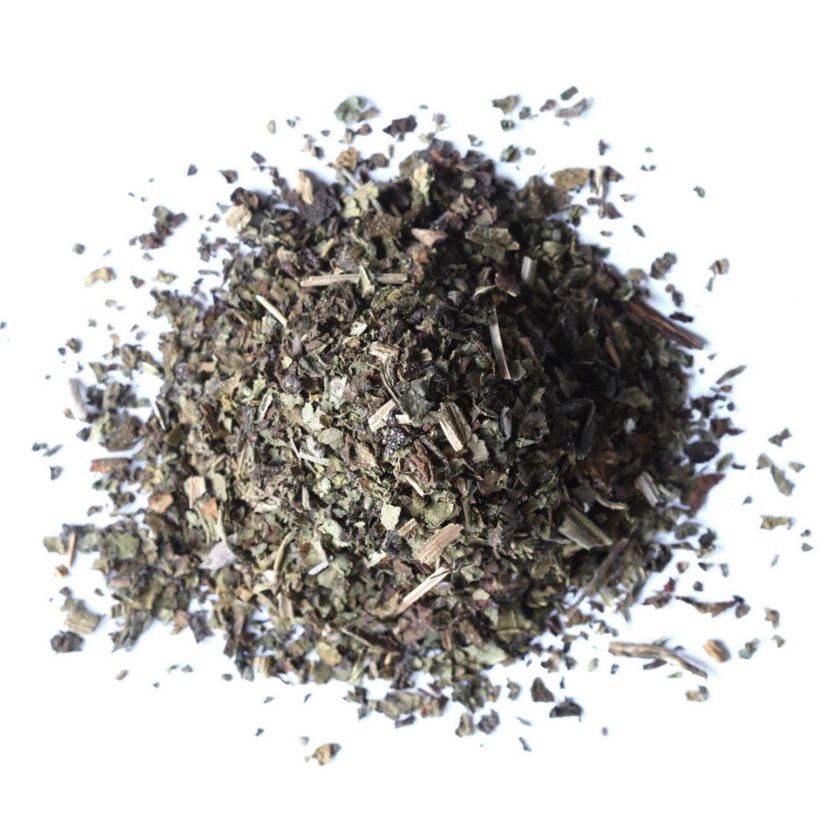

Comfrey leaf comes from the Symphytum officinale plant and has been used for centuries in traditional herbal medicine. When people explore comfrey leaf benefits or benefits of comfrey leaf, they are often interested in its historical use for soothing skin, supporting tissue comfort, and calming irritation.
Compared to the root, dried comfrey leaf is considered milder, which is why it has traditionally been used more widely in external applications and gentle herbal teas. Understanding comfrey leaf vs root (or comfrey root vs leaf) is essential: while both come from the same plant, the leaf and root differ significantly in strength, traditional use, and safety considerations.
Historically, comfrey leaf uses included poultices, washes, infused oils, and occasionally comfrey leaf tea. Modern herbal practice emphasizes external use and short-term, cautious internal use, reflecting updated safety guidance.
HOW TO USE
⚠️ IMPORTANT: Comfrey leaf should be used responsibly and with moderation.
Topical Use (Most Common)
-
Infuse dried comfrey leaf into oil for salves and balms
-
Prepare poultices or compresses for external skin care
-
Combine with calendula or plantain for topical blends
Comfrey Leaf Tea (Traditional Use)
-
Add 1 teaspoon dried comfrey leaf to hot water
-
Steep for 5–10 minutes, strain, and drink
-
Traditionally used short-term only
Herbal Blends
-
Often combined with soothing herbs like chamomile, marshmallow leaf, or chickweed
If you’re researching comfrey leaf tea benefits, traditional use focuses on soothing and calming support rather than long-term daily consumption.
KEY FEATURES AND BENEFITS (Traditional & External Use Focus)
-
Soothing Leaf Herb
Traditionally used to calm irritated skin and tissues. -
Milder Than the Root
Safer profile compared to comfrey root when used appropriately. -
Popular for External Preparations
Common in salves, poultices, and infused oils. -
Traditional Herbal Tea Use
Historically used in short-term teas. -
Clear Leaf vs Root Distinction
Important difference in potency and application. -
Naturally Caffeine-Free
Contains no stimulants.
MAIN INGREDIENTS
-
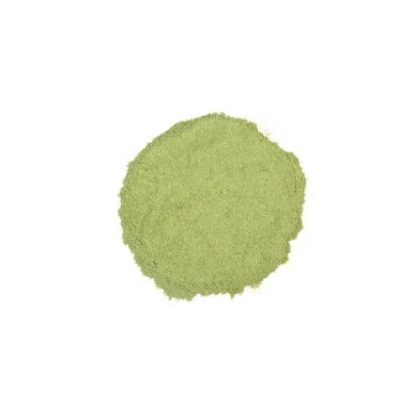
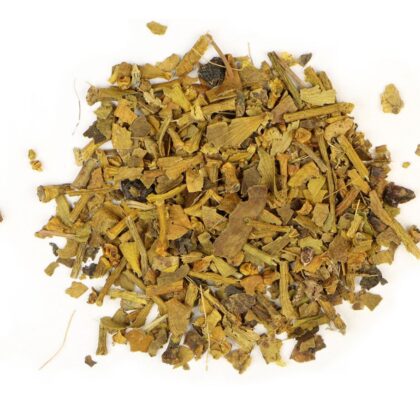
100% Dried Comfrey Leaf (Symphytum officinale)
FAQ SECTION
Q: What is comfrey leaf?
Comfrey leaf is the dried leaf of Symphytum officinale, traditionally used for external herbal applications and short-term tea use.
Q: What are comfrey leaf benefits?
Traditional comfrey leaf benefits include soothing skin support and gentle tissue comfort.
Q: What are common comfrey leaf uses?
Topical preparations, poultices, infused oils, and traditional herbal teas.
Q: What is the difference between comfrey leaf vs root?
Comfrey leaf vs root differs in strength — the leaf is milder, while the root is stronger and restricted to external use only.
Q: Can comfrey leaf be used as tea?
Comfrey leaf tea has traditional use, but modern guidance recommends short-term and moderate use only.
Q: What are comfrey leaf tea benefits?
Traditionally associated with soothing and calming effects.
Q: Is dried comfrey leaf safer than the root?
Yes. Dried comfrey leaf is considered milder than the root, though still used with caution.
Q: Does comfrey leaf contain caffeine?
No. It is naturally caffeine-free.











There are no reviews yet.